Custom CNC-ready upholstered furniture frame projects for manufacturers. Sofa and chair frame design, DXF files, assembly drawings, plywood layouts, and production documentation.
CNC-Ready Upholstered Furniture Frame Design
Custom Sofa and Chair Frame Projects for Furniture Manufacturers
Upholstered Furniture Frame Design for CNC Production
I specialize in the design of CNC-ready upholstered furniture frames for furniture manufacturers, CNC workshops, and production companies. My main focus is the development of sofa frames, chair frames, armchair frames, benches, and custom upholstered furniture models prepared for real manufacturing.
Each project is created with attention to CNC cutting, plywood thickness, assembly logic, foam placement, upholstery process, and production efficiency. The result is not only a 3D model, but a complete technical solution that can be used in furniture production.
With experience in furniture design and production since 1989, I combine practical manufacturing knowledge with CAD and 3D modeling skills. This helps manufacturers reduce manual work, save material, improve repeatability, and launch new upholstered furniture models faster.
What You Receive in the Furniture Frame Project
Each upholstered furniture frame project is prepared as a practical production package for furniture manufacturers and CNC workshops. The documentation is created to help you cut, assemble, and manufacture the frame with clear technical information.
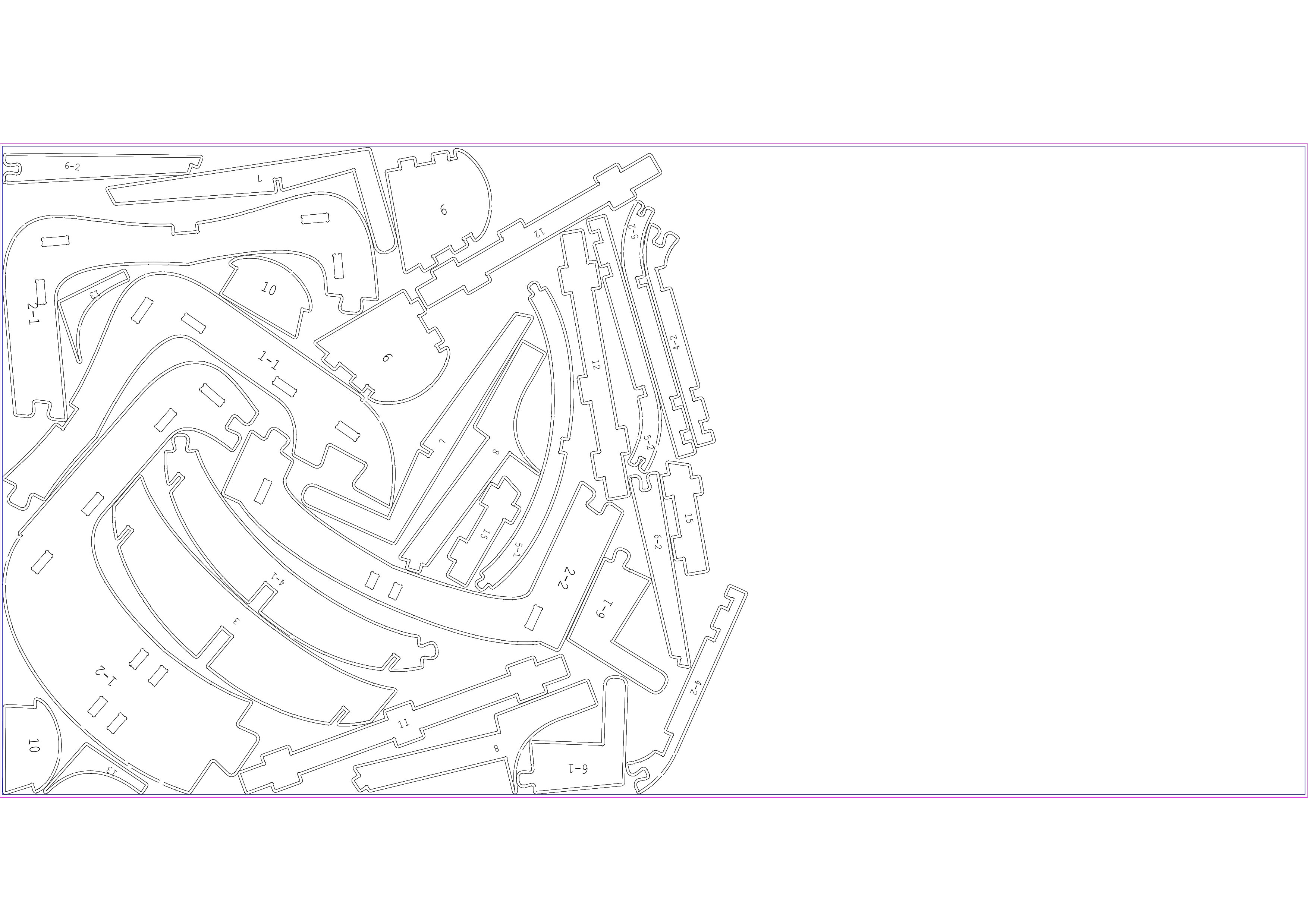
DXF files for CNC cutting of frame parts
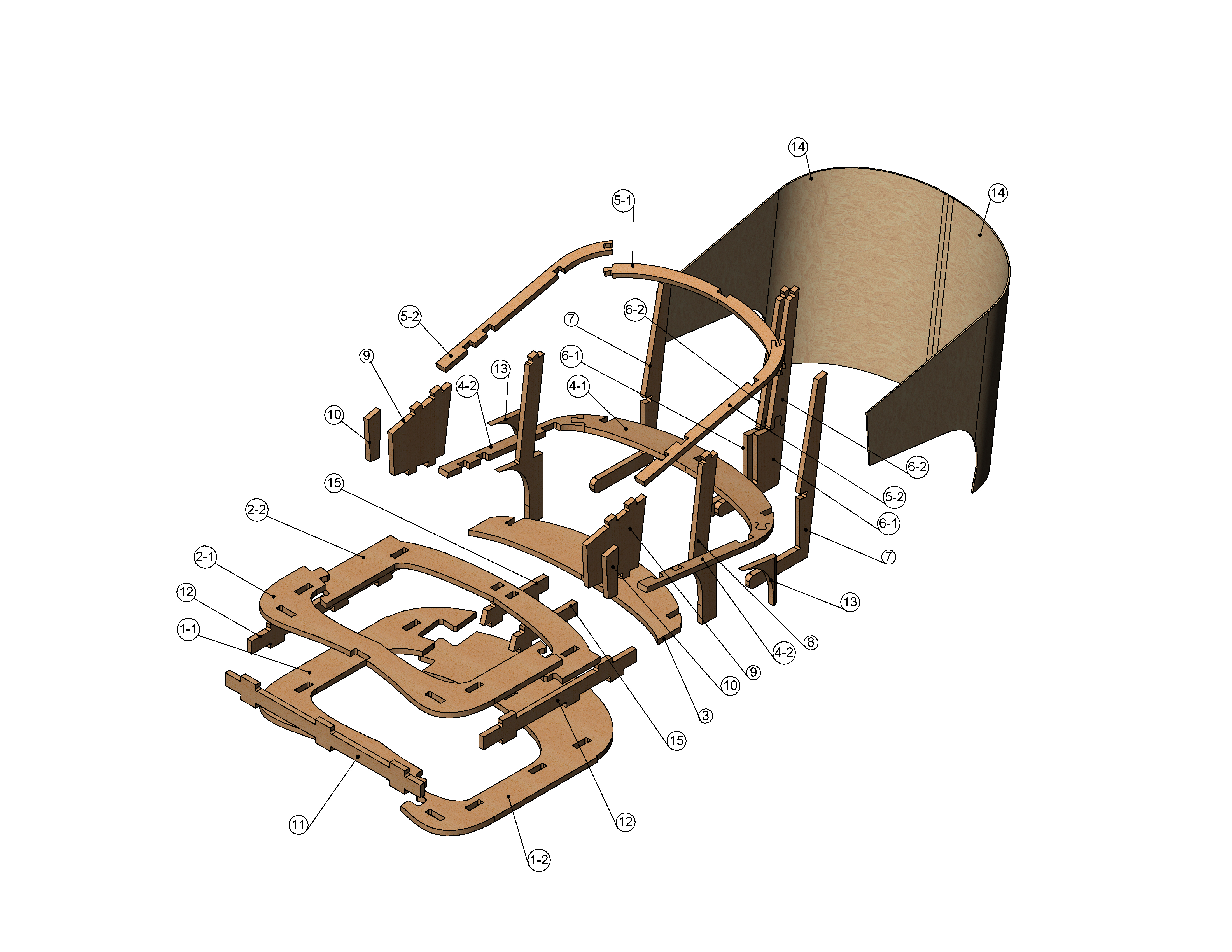
Assembly drawings for clear and accurate frame construction
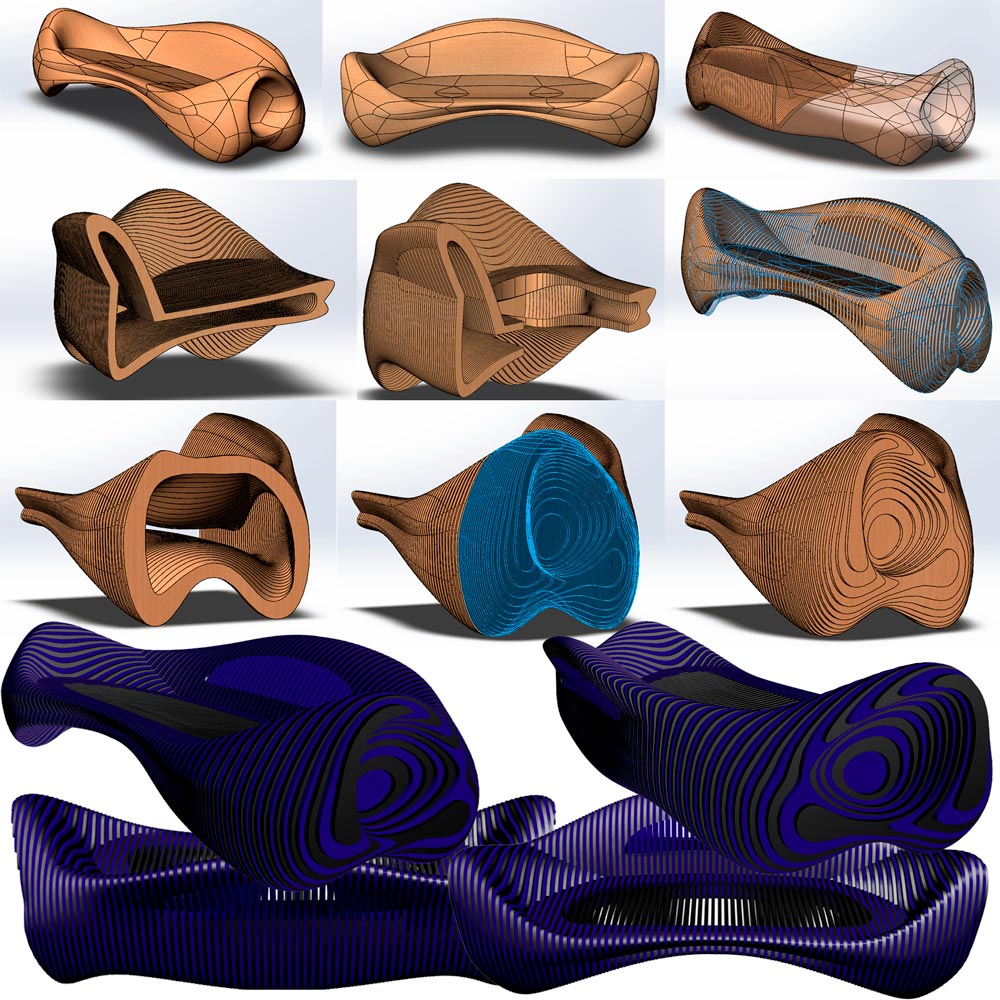
3D visual references to understand the shape and structure of the frame
Plywood sheet layouts for more efficient material use
Information about plywood thickness and frame construction
Technical notes related to assembly, foam placement, and upholstery logic
The goal is to provide documentation that can be used directly in real production, reducing manual work, saving material, and improving repeatability in upholstered furniture manufacturing.
Why CNC-Ready Digital Documentation Matters
In traditional upholstered furniture production, many frame parts and templates were often made manually, by eye, or through trial and error. This approach can lead to material waste, inaccurate parts, longer production time, and difficulties when the same sofa or chair model needs to be repeated.
Digital 3D modeling and CNC-ready documentation help solve these problems. A furniture frame project stored in digital form can be reused, modified, scaled, and sent to production whenever needed. This is especially important for furniture manufacturers who want to create repeatable sofa frames, chair frames, and other upholstered furniture models.
Less material waste through accurate CNC cutting files and plywood layouts
Better repeatability when producing the same furniture model many times
Faster model development compared to manual templates and trial-and-error methods
Clearer production process with assembly drawings and 3D visual references
Easier modification of frame size, shape, or configuration for new furniture models
For a furniture factory or CNC workshop, digital documentation is not only a design file. It is a practical production tool that helps preserve technical knowledge, improve manufacturing accuracy, and make upholstered furniture production more efficient.
How the Upholstered Furniture Frame Project Process Works
The process of creating a CNC-ready upholstered furniture frame project is simple and practical. You send the available information about the furniture model, and I prepare the frame documentation for real production.
Send the project information.
You can send photos, sketches, hand-drawn drawings, dimensions, reference images, or technical requirements for the sofa, chair, armchair, bench, or other upholstered furniture model.
Project review and technical questions.
I review the shape, dimensions, construction logic, materials, CNC cutting requirements, foam placement, and upholstery process. If needed, I ask clarifying questions before starting the work.
Price and delivery time.
After reviewing the information, I provide the project price and estimated delivery time.
Frame design and documentation.
I create the upholstered furniture frame project with attention to CNC cutting, plywood thickness, assembly logic, production accuracy, and manufacturing efficiency.
Project review before payment.
You review the final result before payment. This allows you to check the frame structure and documentation before receiving the final production files.
Final production files.
After approval, you receive the final documentation package, including DXF files for CNC cutting, assembly drawings, 3D visual references, and other technical information required for production.
Ready-Made CNC Frame Projects and Custom Design Service
In addition to custom upholstered furniture frame design, I also offer ready-made CNC frame projects for sofas, chairs, armchairs, benches, and other upholstered furniture models. These digital projects can help furniture manufacturers test CNC frame production, add new models to their catalog, or save time on the design stage.
If you need a unique furniture model, I can create a custom CNC-ready frame project based on your photos, sketches, drawings, dimensions, or technical requirements. The project can include DXF files for CNC cutting, assembly drawings, 3D visual references, plywood layouts, and technical information for production.
Ready-made projects are suitable for quick purchase and production testing
Custom projects are created according to your model, dimensions, and production needs
CNC-ready documentation helps reduce manual work and improve production repeatability
Frame design is prepared with attention to foam placement, upholstery logic, and real manufacturing
If you are a furniture manufacturer, CNC workshop, or upholstered furniture producer, you can send me your project information for review. I will check the model and provide the price and delivery time.
Send your sofa, chair, or upholstered furniture frame project for review today.






![[: ru] Drawings of the backrest of the sofa [: en] Sofa backrest Drawings [: il] שרטוטים משענת הספה [:]](https://www.furniture-3d.com/wp-content/uploads/sofa-4-backrest-3.jpg)
![[: RU] 3d model of the frame of the backrest of the sofa [: en] 3d model of the sofa backrest frame [: il] מודל תלת ממדי של מסגרת משענת הספה [:]](https://www.furniture-3d.com/wp-content/uploads/sofa-4-backrest-2.jpg)
![[: ru] Three-dimensional model of the frame of the backrest of the sofa [: en] three-dimensional model of the sofa backrest frame [: il] מודל תלת ממדי של מסגרת משענת הספה [:]](https://www.furniture-3d.com/wp-content/uploads/sofa-4-backrest-1.jpg)
![[: RU] 3d model of the sofa frame [: en] three-dimensional model of the sofa frame [: il] מודל תלת ממדי של מסגרת הספה [:]](https://www.furniture-3d.com/wp-content/uploads/sofa-4-4.jpg)
![[: RU] 3d model of the sofa frame [: en] 3d model of the sofa frame [: il] מודל תלת ממדי של מסגרת הספה [:]](https://www.furniture-3d.com/wp-content/uploads/sofa-4-3.jpg)
![[: RU] 3d model of the sofa frame [: en] three-dimensional model of the sofa frame [: il] מודל תלת ממדי של מסגרת הספה [:]](https://www.furniture-3d.com/wp-content/uploads/sofa-4-2.jpg)
![[: RU] 3d model of the sofa frame [: en] three-dimensional model of the sofa frame [: il] מודל תלת ממדי של מסגרת הספה [:]](https://www.furniture-3d.com/wp-content/uploads/sofa-4-1.jpg)


